Are you planning your first trip in a campervan and are unsure of what to expect?
You can travel more, be closer to nature, and plan your time. You can travel without worrying about staying in hotels or seeing only the popular sights.
You want some quiet time and to be able to stop the car and have a snack, a nap, or jump into the lake that you drove by. This is the essential guide for to planning your first trip in a campervan.
Planning a CAMPERVAN Rental
Renting a motorhome, campervan or RV is a lot more complicated than renting a hotel room. Renting a motorhome or campervan is a combination of renting a car, a home, and a hotel room. You probably have many questions regarding motorhome rentals.
Some common questions about driving a vehicle include the rules of the roads, the insurance requirements and the drivers’ license, the rental deposit, and whether or not you can cross borders.
Renting a campervan abroad can raise questions about the routes, mileage and whether you are permitted to camp in public areas.
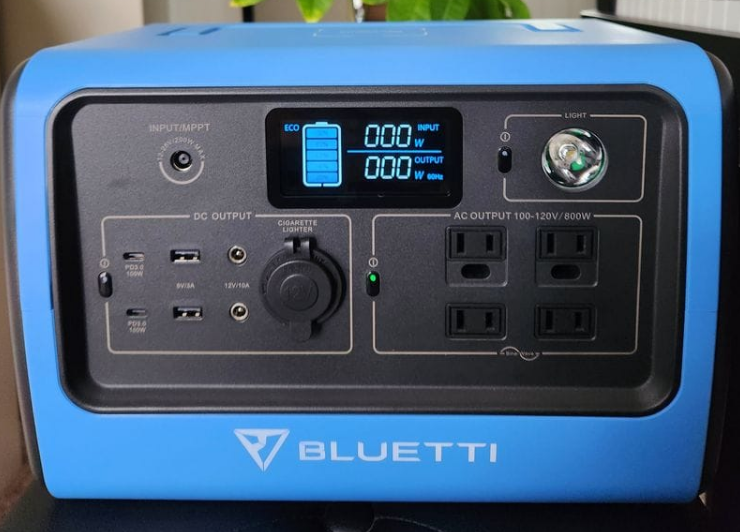
You should also find out if the rental includes essentials such as toilet paper and soap. You need to know if you’ll need bedding and if your campervan rental includes toilet paper and soap. Also, you should ask if you will need a converter for your voltage, a heater or an air conditioner, and if it has a RV Solar Generator.
Many vacationers enjoy the freedom that comes with a campervan, but for some there are still too many questions. We’re happy to answer all your questions in our guide. So, put your worries at rest and start planning for your first trip with a campervan!
The Rules of the Road
This guide will give you a solid base of typical rentals and teach you some important questions to ask your campervan company before booking anything. This guide will give you an overview of typical campervan rentals, and some important questions to ask before booking.
What are the local rules for renting a campervan?
Although every country has its own rules, in general the majority of campervans will be treated no different than renting a vehicle. If you are able to rent a vehicle, then you will be able to rent a van. There are some companies that have an age restriction of 25 and older. All require you to present a valid and current drivers licence from your country.
The vast majority of Motorhomes are not huge trailers that require a special licence. However, they exist, so be sure to ask the company that you are dealing with for clarification. You’ll be informed if you have to read any additional clauses.
Is there an extra insurance or permit required for your campervan?
You will almost certainly need additional insurance when renting a van. Most companies offer different levels of insurance, similar to when renting a car. You decide how much risk you are willing to accept, but it is important to not skimp on your insurance.
Repairs for campervans can be expensive if they are involved in an accident. You’ll also find that unlike driving a normal car, you will be sleeping, cooking, eating, and showering in your campervan. This means there is a higher chance for problems.
Many credit cards offer some sort of auto/truck insurance. However, the chances that this would extend to a campervan are extremely low. You can check with your credit card, but this is not something we’ve heard about.
Does your drivers license meet the requirements? Do you require an International Driving Permit, or a special driver class rating or ratings?
Most campervans can be rented with a drivers’ license. Some companies may require that you provide a passport copy if you are from outside the country. Some countries will require an international driver’s license to rent a vehicle from outside the country. This would also include motorhomes and campervans. Ask your rental agency what is required prior to booking.
Some countries may require an air brakes or special license class for certain vehicles. However, the majority of campervan rental companies only require drivers’ licences. Ask the company about this before you book.
Can you cross the border into another country with a campervan?
Renting a campervan can be a challenge in North America and Europe, where international borders are often only a few kilometres away. We’ve not heard of any country-specific rules on this. Whether you are allowed to or not will depend on your rental agency and their insurance company. Some companies may allow you to travel to neighboring nations, while others do not. Others might have strict policies that dictate which countries are allowed to be visited and which ones you can’t. Many companies will allow you to cross the border between Canada and US, but they require a different type of insurance for Mexico.
The rental company cannot force you to follow their instructions once on the road, but you should be aware that your insurance is void if you enter a foreign country where they have warned you against going. You will be responsible for all charges, damages or hospital costs if an accident occurs outside the countries supported. It’s simply not worth it. Look into other companies if you plan to travel across certain borders.
Before you reserve, discuss your plans with the company. It may be too late once you arrive to make changes.
Do you need a special deposit when renting a campervan?
The answer to this question is …. maybe. You may need an additional damage deposit if you rent a campervan or motorhome due to its higher price and the fact that you will be using it for a longer period of time.
The majority of vehicle rental firms also require this deposit, which is usually paid via credit card. It’s no different with a campervan, even though it may be billed differently. The amount will be refunded after the motorhome is returned in good working condition. They don’t necessarily expect the motorhome to be returned in pristine condition, but they will expect, just like with a home or hotel rental, that it is not damaged, broken or stolen. If you are unsure about the policies, ask before making a booking.
CAMPERVAN RUTES AND CAMPING POLICIES
There are many established routes for campervans and you can also find guides in online and books. However, renting a campervan means that you probably want to escape the norm on your next vacation. You can now travel anywhere you want to go, like a tortoise. If you’ve never rented a campervan or motorhome before, you’ll need to know some things.
Where are you planning to stay each night?
It’s not necessary to plan every single night in advance, but it is good to know some things beforehand. Where can you sleep every night on your campervan holiday?
This answer will vary by country, but the unfortunate truth is “not everywhere”. Some campsites are sold out in advance, while others have a “first come first serve” policy. Some campsites are closed for part of each year.
Some campgrounds offer full electricity, sewer connection and cable television and internet. Others offer you your own cooking facilities and toilets, while some don’t have a fire pit or picnic table.
You can choose from a variety of options, including a woodland area overlooking an ocean or a theme park like Disneyland with rides and waterslides. Or you could spend the night on a Walmart lot. It is common in North America to use a Walmart parking lot as a final resort when there are no local campgrounds near larger cities. It’s important to know what time of year you are in, and when each campground tends fill up.
You should also know the laws of the area to determine if you can camp in public land or on government-owned property. You can find the answers to most of these questions in an RV booklet, campervan website or other resource that discusses a particular area. You can also ask the campervan company for local information and they will be able to answer your questions about that period.
What route are you going to take and can the campervan make that trip?
We’ve been on more than one route where a typical camper would have failed. Most campervans were not designed to handle extreme terrain. This could be due to ground clearance on rough terrain or slipping mud along rarely-used roads. There are 4×4 rvs, motorhomes and 4×6 RVs that are built for rough terrain. However most campervans don’t meet that standard.
If you want to avoid going anywhere that a car cannot go, make sure to leave enough room to turn. Also, if you are rubbing against trees both on the left and right side of the road then this route may not be for you.
Travel guides can help you decide the right route to take, even if you don’t have to. You can camp in more places with a small campervan than a large motorhome. Renting a campervan should consider whether the extra space, comfort and maneuverability is worth it. The location of your rental can also influence the decision.
What kind of mileage will it get?
There are many different sizes and shapes of RVs, campervans and motorhomes. The fuel consumption of your RV, motorhome, or campervan depends on many factors, including the size and engine type, speed, driving habits, driving conditions, etc. Campervans do not get good gas mileage, so you can expect to spend double or triple the amount of money that your vehicle does for the same journey.
You’ll be driving larger vehicles than usual. You can extend your range by staying under the speed limits, slowing down on steep hills or corners, and accelerating and stopping earlier. If they do not, then you will be able to find similar campers online who will provide you with this information. To be on the safe side, it’s best to fuel up your campervan sooner rather than later.
Are there gas stations along your planned route?
We can’t give you an answer without knowing the exact details of your route. However, it is likely that yes. You can plan your route in North America using gasBuddy and find out what stations are nearby. You can find similar sites in most countries. If not, Google Maps will do.
CAN I just camp on public land or do I need to register?
Camping on public land depends on where you are camping. There are likely to be as many regulations as there are countries and regions in the world. North America allows camping in National Parks, but you may have to pay fees or remain in a designated area. Backcountry camping is allowed in some parks as long as the camper cleans up afterwards. In Canada and USA, most cities do not allow camping. Mexico allows camping in more places, but safety concerns are more prevalent if you camp alone or far from other people.
Many van conversion videos show people sleeping on the street overnight in their campervans. While this is still done by many, doing so in public can result in fines and/or being tow away. You can decide whether to take the risk, but we have been forced to drive on streets when approved parking spots are not available.
Although technically free camping is not allowed in Australia, there are many places where it’s tolerated.
New Zealand has a lot more sites that are free thanks to the Freedom Camping Act. It is the responsibility of each region and city to decide what’s allowed and not permitted, but there are many spots all over New Zealand.
Unfortunately, free camping or wild camp is not allowed in the UK anymore. The days of camping in a forest by driving into it are long gone. The article contains a list of legal camping rules in most of Europe.
The wild camping in Africa can be as diverse as the continent itself. However, it is important to understand each region’s laws, risks and safety. There is safety in numbers. If you plan to go out alone, talk to your rental agency.
South America offers many opportunities for free camping, but the laws are similar to those in North America. It’s best to stay on approved campgrounds, and to check posts and websites prior to heading out.
Always discuss the options for overnight stays with your rental camper agency, no matter where you are going or staying. You can get the best advice from them as they know all about local laws and regulations. Check out apps like Caravanya to find free places around the globe.
What’s Included With A CAMPERVAN Rental?
Camping requires plates, towels, sheets, toilet paper and propane. This is especially true if you have just arrived from a flight with only a toothbrush and some clothes. What is included in a typical campervan hire? Find out.
Do you need bedding or a sleeping bag?
In general, no. All bedding is included in most campervans and caravans. Sheets, blankets, and pillows, just like in a hotel room, are usually included. The campervan will be thoroughly cleaned before you collect your rental and bedding is provided. To be sure, it’s always a good idea to check with the rental company first before booking.
Does it include things like CAMP CHAIRS? What about BATH TOWELS and Hand Towels, Soap, Toilet Paper, Pre-filled Propane Bottles, etc.
In general, yes. As with a hotel or AirBnB, you are expected to arrive at the rental date and find everything (except food) already set up. This includes toilet paper, soap, soap dish, and hand soap. If you are renting an RV for one month, it’s likely that you will need to replenish some of these items as they wear out.
Some campervans come with extras such as camp chairs, outdoor barbecues or camp stoves. However, these items are not guaranteed. Like a rental car, the company will fill your gas bottles and top it up with fuel. This is used to run the refrigerator, heat the house, cook, or even use the propane tank. When booking, you can inquire about the exact rental package so that you are not surprised if you have to pay extra for something you thought was included.
DO YOU NEED A voltage converter?
The majority of campervans are equipped with the same plugs as the one you will be using in your destination country. If you used a converter to use your electric toothbrush or hair dryer in a hotel room, then you’ll need one when renting a caravan. Here you can find out about voltages and plug types.
You can’t always expect your plugged-in appliances to work while you are on the road, or at an unpowered campsite (including the microwave and air conditioner).
It’s not a bad idea to have a couple of things charged via USB. Most trailers are powered by 12v batteries. When we travel, we always bring a 12v-to-5v converter that plugs into the standard cigarette lighter. This is in case our vehicle does not have an integrated USB port. A newer campervan may have an outlet or socket specifically designed for it.
CAN A CAMPERVAN MANAGE UNSERVICED SITES?
Does the RV have all of its services required to live in the wilderness?
The majority of campervans have dual appliances that run on electricity and propane. The fridge and the hot water tank can be powered by propane in unserviced campgrounds or electrically when connected to an electric source on a serviced camping site. The lights and water pump are usually powered by batteries, while the stove will always be run on propane. When the large batteries are plugged in to an electrical outlet, or when the car is running, or when there are solar panels and generators onboard, they will be recharged.
Does the RV include a furnace and an air conditioner?
A warm air heater is included in almost every RV or campervan. They work by combining batteries and propane. This is done by the propane heating the air, and then the fan blowing the heated air into ducts on the walls, ceilings and floors of the trailer. You can set heat levels for colder evenings using a thermostat similar to that of a home thermostat.
It’s true that many campervans come with an air conditioning unit. However, this is not guaranteed. You should also be aware of the fact that an air conditioning system requires certain components to work. Most air conditioners require electrical power and a working site unless they have a large generator or inverter. Note that some campsites restrict the time you can use generators. Usually, this is limited to the early morning hours and the late evening.
Does the camper have solar panels to extend off-grid, unpowered camping?
It depends on the type of campervan you have rented. Many newer campervans come with at least one solar panel that will help you extend the life of your batteries. Some even include an inverter and enough panels to last weeks on a site without service. Ask your rental company what options they have if you intend to do a lot of camping off the grid. Many companies will offer extra solar panels at a low cost to ensure that everything runs smoothly.
CAMPERVAN RENTALS: FINAL REMINDERS
Although the above information is applicable to the vast majority of campervan rental companies, it is not guaranteed that the one you are renting from follows the general consensus. If you have questions, it’s important to contact the company you are renting from before you book anything. We hope that some of these things will provide you with some important questions to ask both yourself and the rental company.
Renting a campervan or trailer is an excellent way to discover a new area. Renting a campervan allows you to explore the country on your terms, whether you enjoy being in the outdoors, or you just like to be independent.
Enjoy your trip and safe travels!