When traveling, you need reliable and fast Wi-Fi.
We understand your frustration if you are having difficulty finding reliable, affordable internet while on the road. We’ve endured weak wi-fi in hotels, cafes and more restaurants than we could count during our almost 20 years traveling together. Sometimes we are lucky and have reliable internet. But that is not always the case.
We’ve tried almost all the internet connections available to us when we travel.

The Best Options for WI-FI When Traveling
This post will guide you through the options available to get reliable, fast Wi-Fi when traveling. We’ll also discuss the pros and cons for each type.
Here are your options for temporary internet, whether you need it for a vacation house, a laptop, a phone, or to travel in an RV.
Free WI-FI: Borrow, steal or beg for it
We spent a lot time and effort when we first began traveling together to try to find free internet. I swear, we have used free wi-fi in every hotel and fast food restaurant chain.
It’s not always reliable and fast. There have been many times when the internet has gone down or we could not get the wi-fi in our rooms.
Pros: It’s free. The wi-fi in most hotels, restaurants, and public places is free. The internet is also very easy to use.
Cons : Security is an issue, since it’s easy to intercept data. You can improve security by using a password manager or VPN, but free wi-fi is always risky. Choose a VPN that does not keep logs, such as the reputable Private Internet Access VPN.
Use roaming from your mobile provider
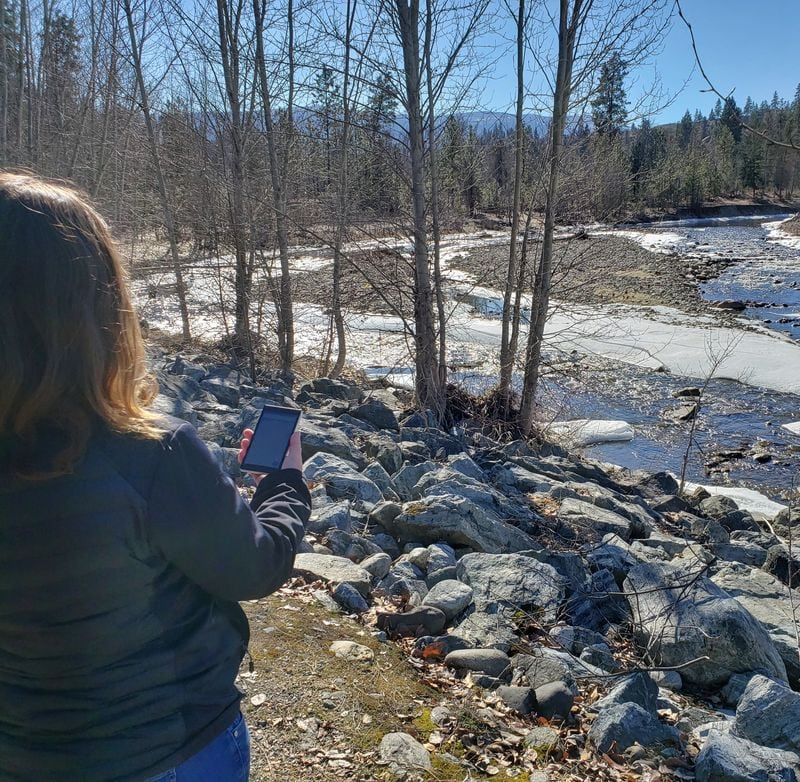
The easiest way to use wi-fi while on the road is by using roaming data with your current cell phone provider.
You could be hit with outrageous roaming charges when you return home. Contact your provider to see if there is a cheaper roaming plan.
Pro : Simple, fast and reliable.
Con may be prohibitively costly. You can share the data from your mobile with another device or computer via Bluetooth, USB or wi-fi. Tethering can slow down your data connection and drain the battery of your phone.
GET A MOBILE HOTSPOT
We’ve been huge fans of mobile internet hotspots over the past five years.
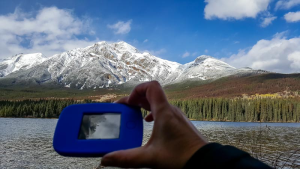
Mobile hotspots are small devices (usually about the size of a pack of cards) which provide internet access anywhere you go.
Pay a rental fee for the portable hotspot (or buy it outright) and then a data plan. Data plans vary depending on where you live. They can cost $8 per day for international travel, or $49 a week for unlimited internet access in the USA.
Hotspots allow you to connect up to 10 devices. They are great for families or groups, but don’t support voice calls or SMS texts (although you can use apps like Fongo and Google Voice to make calls).
Click here to see our website
Pros : Easy to use and reliable in most countries, with fast speeds. Some even offer unlimited data. Great for groups.
Cons : Costlier than hotel free Wi-Fi
BUY SIM CARDS AT YOUR DESTINATION
You can save money by purchasing a local SIM at your destination. This will save you from paying expensive roaming fees or trying to find free Wi-Fi.
Companies such as Orange Travel offer significant savings when compared with roaming fees or the cost of a Wi-Fi hotspot.
Orange Holiday Europe 20GB includes unlimited texts and calls in Europe.
Finding a local SIM can be difficult depending on the destination country. Sometimes, there is a kiosk in the airport that sells SIMs, but it’s not always easy to find. We have often had to travel around to find a local cell provider. You can get a local SIM in convenience stores, newsstands, and vending machine.
A SIM card can be a problem if you travel to several countries. The local SIM might not work in each country you visit. You can’t share your connection easily with family members or other group members.
A local SIM may not be available everywhere because some countries require you to be a citizen or have a local residence.
It’s also necessary to remove the old SIM card from your phone, put it away, and then insert the new SIM. This isn’t for everyone.
Pros : Prices are generally affordable and speeds tend to be good.
Cons : It can be difficult to find a local SIM, and they may not work outside of one country. This will only work if your phone is unlocked. You’ll also need an unlocked phone for this to work.
Buy a roaming SIM card at home
If you are short on time, you can purchase a local SIM when you arrive at your destination.
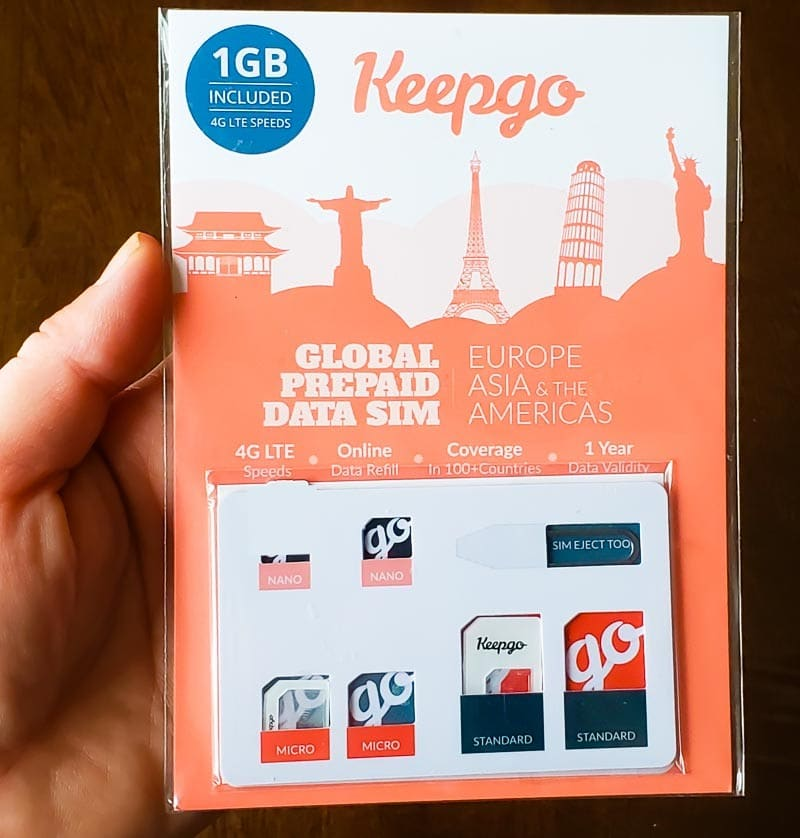
Some companies make it easier to travel with internet by allowing you to buy a SIM at home. It usually comes with a data package and allows you to make calls and receive SMS while abroad. You’ll need to remove your current SIM card and replace it with the travel SIM when you reach your destination.
Pros : affordable (generally less than $50).
Cons : The same as the previous. You’ll need to set up a mobile hotspot (also known as tethering) in order to use the internet on your computer or other phone. A phone that is unlocked will also be required.
INTERNET CAFE
When we started traveling in 2001, almost exclusively, we used Internet cafes, also known as cyber cafes, to access the internet while away from home.
For a small fee, they could connect to the Internet instantly. In 2001, almost all travelers used internet cafes as a meeting place and a way to access good internet. Cell phones and free Wi-Fi have virtually wiped out the internet cafe.
You won’t find internet cafes in many tourist areas today. However, you can still find them in less developed regions. When you are looking for an internet cafe, you can also check out gaming centers and gaming cafés. Many have opted for this option, but their gaming computers still allow you to surf the web, print documents, or chat with family back home.
We have used gaming centers to cool off with the air conditioning and to let the children play for a bit.
Pros No computer or mobile device required, affordable hourly costs, and generally high connection speed.
Cons : Lack of privacy, security issues when using a computer shared by others.
What is your preferred way to access the internet when you are traveling? Comment below to let us know.